
Claude Fable 5.1: 7 Essential Facts and 3 Breaking Changes

Claude Fable 5.1 kept the same price and cut cache reads 75%. The three breaking changes, the 3.2x effort-tier spread, and who should switch.

Claude Fable 5.1 kept the same price and cut cache reads 75%. The three breaking changes, the 3.2x effort-tier spread, and who should switch.

Grok 4.7 has not shipped. Five missed windows, zero xAI documentation, and the one 30-second check that settles it better than any tracker.
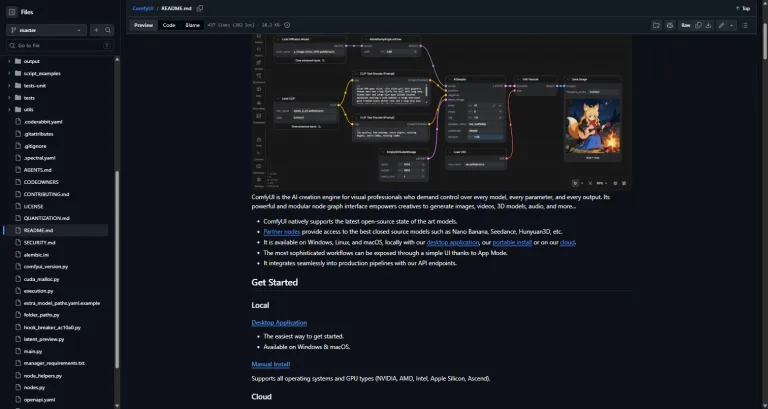
ComfyUI 2026: the Comfy Desktop overhaul, AMD ROCm on Windows, NVFP4 performance, and the snapshot limitation the docs got wrong.

Google Flow prompt guide: brief the Agent before you generate, the prompt structure Veo 3.1 rewards, and where credits actually disappear.

DaVinci Resolve 21.1 ships a native MCP server so Claude and Codex can drive your edit. What it does, what else is new, and the Studio edition catch.
Pinokio installs local AI apps with one click and no terminal. What version 8 added, what Bluefairy protects against, and the caveat nobody enables.

GLM-5.3-Flash explained: MIT-licensed multimodal performance at $0.15 per million tokens, what it takes to self-host, and the claims nobody has audited.

GPT-6 Astra explained: real benchmark numbers, the ARC-AGI caveat nobody mentions, API pricing, and the cybersecurity threshold that gates access.
Building an AI voice agent in 2026 — the latency budget that decides everything, cascade vs speech-to-speech, real costs, and common mistakes.

10 proven LLM API cost optimizations for 2026, in priority order — prompt caching, batching, routing, and a realistic 90-day timeline.